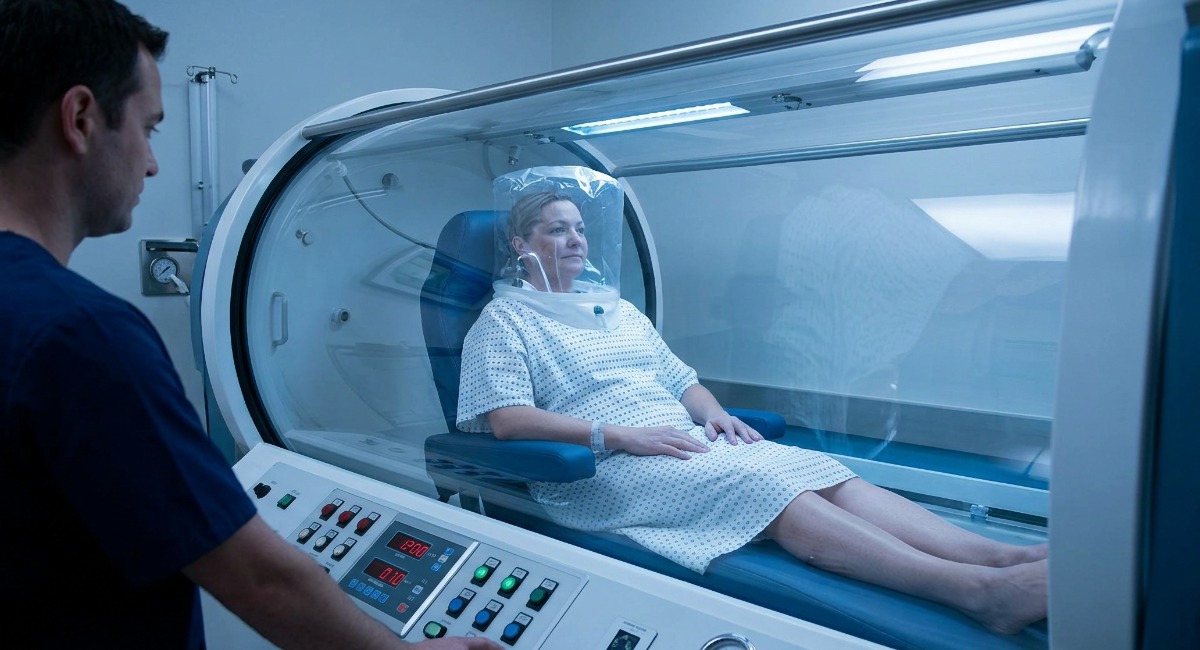
The Importance of Hyperbaric Oxygen Therapy in Plastic Surgery
In recent years, Hyperbaric Oxygen Therapy (HBOT) has become an increasingly valuable tool in the field of plastic and reconstructive surgery. As aesthetic procedures continue to grow in popularity, both surgeons and patients are looking for ways to improve recovery, reduce complications, and optimize final results.
Hyperbaric Oxygen Therapy involves breathing 100% pure oxygen inside a pressurized chamber. Under these conditions, the lungs can absorb significantly more oxygen than under normal atmospheric pressure. This oxygen-rich blood is then delivered throughout the body, reaching tissues that may have limited circulation after surgery.
Because oxygen is essential for cellular repair, immune response, and tissue regeneration, HBOT can play a crucial role in supporting the body’s natural healing processes after surgical procedures.
Why Hyperbaric Oxygen Therapy Is Important After Plastic Surgery
Plastic surgery procedures often involve tissue manipulation, swelling, inflammation, and temporary reduction in blood flow. During the early stages of recovery, the body requires a greater supply of oxygen to repair tissues and rebuild healthy circulation.
Hyperbaric Oxygen Therapy helps address these needs by increasing oxygen availability in the bloodstream and tissues. This enhanced oxygen delivery can support the body during the most critical stages of post-operative healing.
Some of the most important ways HBOT supports recovery include:
- Increasing oxygen supply to surgical tissues
- Promoting faster wound healing and tissue regeneration
- Reducing inflammation and post-operative swelling
- Supporting the body’s immune response and lowering the risk of infection
- Improving skin quality and scar formation
- Assisting recovery in complex or revision procedures
When tissues receive adequate oxygen, they are better able to repair surgical trauma, produce collagen, and rebuild healthy microcirculation. This can contribute to smoother healing and improved long-term aesthetic outcomes.
Hyperbaric therapy is particularly beneficial for procedures that involve large treatment areas or significant tissue repositioning, including:
- Tummy tuck (abdominoplasty)
- Liposuction
- Brazilian Butt Lift (BBL)
- Breast augmentation or breast lift
- Facelift procedures
- Revision or secondary surgeries
By supporting the body’s recovery at a cellular level, HBOT can help patients heal more comfortably and confidently during the post-surgical period.
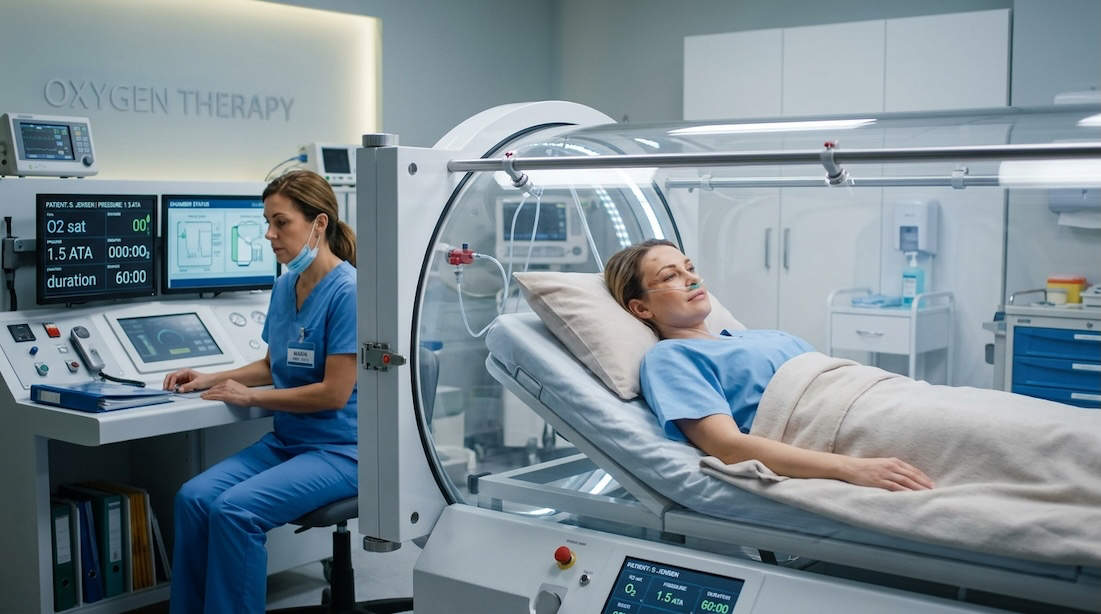
Pros of Hyperbaric Oxygen Therapy
Hyperbaric Oxygen Therapy offers several advantages that make it an attractive addition to a post-surgical recovery plan.
Faster Recovery Time
Because oxygen is essential for tissue repair, increasing oxygen delivery can help accelerate the body’s natural healing process.
Reduced Swelling and Inflammation
HBOT helps decrease inflammation and fluid buildup, which can reduce post-operative swelling and discomfort.
Improved Circulation and Oxygenation
The pressurized environment allows oxygen to dissolve more effectively in the blood plasma, improving circulation to areas that may have compromised blood flow.
Lower Risk of Complications
Improved oxygenation can help reduce the likelihood of complications such as tissue necrosis, infection, or delayed wound healing.
Better Scar Quality and Aesthetic Results
Healthy oxygen levels support collagen production and tissue remodeling, which can lead to smoother scars and improved skin appearance.
Non-Invasive and Comfortable Treatment
HBOT is a non-invasive therapy that does not require needles or surgical intervention. Most patients simply relax inside the chamber during treatment sessions.
Cons and Considerations of Hyperbaric Oxygen Therapy
While Hyperbaric Oxygen Therapy offers many benefits, it is important for patients to understand certain considerations before including it in their recovery plan.
Multiple Sessions May Be Required
Optimal results usually require several therapy sessions rather than a single treatment.
Additional Cost
HBOT may represent an additional expense that is not always included in surgical packages.
Medical Eligibility
Some patients may not be suitable candidates for hyperbaric therapy. For example, individuals with untreated pneumothorax or certain lung conditions may require medical evaluation before treatment.
Mild Temporary Side Effects
Most side effects are minor and temporary. These may include:
- Ear pressure similar to airplane travel
- Temporary fatigue after sessions
- Mild sinus discomfort
When performed under professional supervision and after proper evaluation, Hyperbaric Oxygen Therapy is generally very safe and well tolerated.
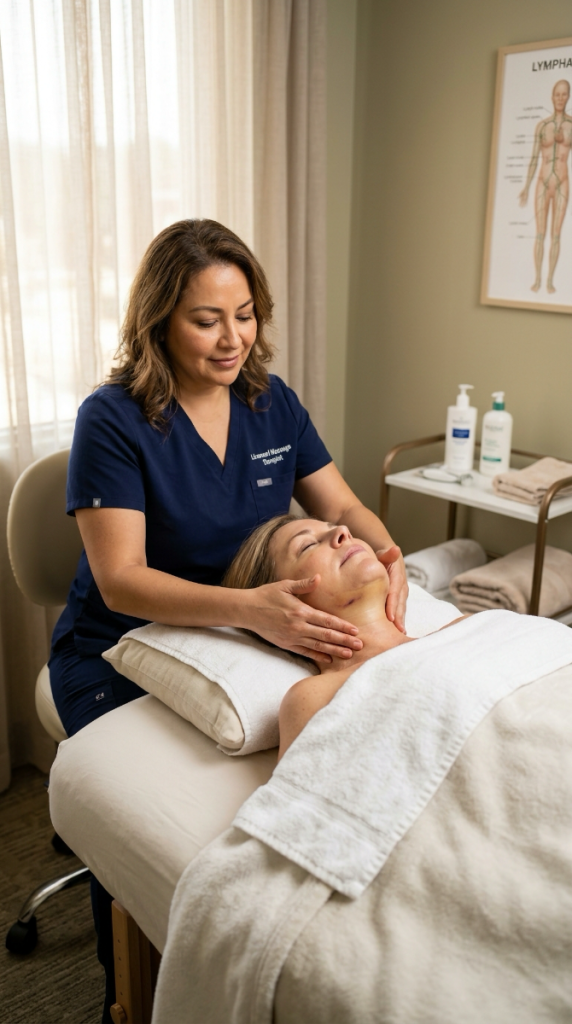
The Role of Lymphatic Drainage Massage After Plastic Surgery
Another essential component of post-surgical recovery is lymphatic drainage massage. This specialized technique is designed to stimulate the lymphatic system, helping the body remove excess fluids and metabolic waste that accumulate after surgery.
During surgical procedures, the body naturally responds with inflammation and fluid retention. While this is a normal part of healing, excessive swelling can slow recovery and affect the final contour of the treated area.
Post-surgical lymphatic massage helps address these concerns by encouraging proper fluid circulation and drainage.
Benefits of Lymphatic Drainage Massage
Lymphatic massage offers several benefits for patients recovering from cosmetic surgery:
- Reduces swelling and fluid retention
- Helps prevent fibrosis and hard tissue formation
- Improves skin texture and contour
- Decreases post-operative discomfort and tightness
- Speeds up overall recovery
- Enhances the final surgical results
By improving lymphatic circulation, this therapy allows the body to heal more efficiently and comfortably.
Why Combine Hyperbaric Therapy and Lymphatic Massage?
When used together, Hyperbaric Oxygen Therapy and lymphatic drainage massage can create a powerful and complementary recovery strategy.
Each therapy supports healing in a different but synergistic way:
- Hyperbaric therapy works internally, improving oxygen delivery and supporting tissue regeneration.
- Lymphatic massage works externally, reducing swelling and improving fluid drainage.
Together, they help:
- Reduce inflammation more effectively
- Improve circulation and tissue repair
- Shorten recovery time
- Optimize the final aesthetic outcome
Patients who incorporate both therapies into their post-operative care often report feeling better sooner and returning to normal activities more comfortably.
Educating Patients About Post-Surgical Recovery
One of the most important aspects of plastic surgery is helping patients understand that the procedure itself is only part of the transformation. The recovery process plays an equally important role in achieving optimal results.
For this reason, it is helpful to present therapies such as Hyperbaric Oxygen Therapy and lymphatic drainage massage as part of a comprehensive recovery plan, rather than optional extras.
Healthcare providers and clinics can encourage patients to consider these treatments by:
- Emphasizing the benefits of faster healing and fewer complications
- Presenting recovery therapies as an investment in safety and results
- Offering structured post-operative recovery packages
- Showing recovery timelines that demonstrate how supportive therapies can improve outcomes
When patients are properly informed and supported during their recovery, they are more likely to experience smoother healing, improved comfort, and better overall surgical results.